
Family Owned. Mindfully Grown.
Black Trumpet Farm grows organic certified gourmet mushrooms year-round in Asheville, NC. We promote food security by offering delicious, affordable, and nutrient-dense mushrooms.
ASHEVILLE Farmer’s Markets 2026

TUESDAYS 3 - 6 PM *Off for Sept
West Asheville Tailgate Market
718 Haywood Rd. Asheville, NC
Wednesdays 3 - 5:30PM
River Arts District Market
New Belgium Brewery 21 Craven St.
Saturdays 8AM - 12PM
North Asheville Tailgate Market
275 Edgewood Drive, UNCA, Lot P28
*Email blacktrumpetnc@gmail.com to pre-order for markets.
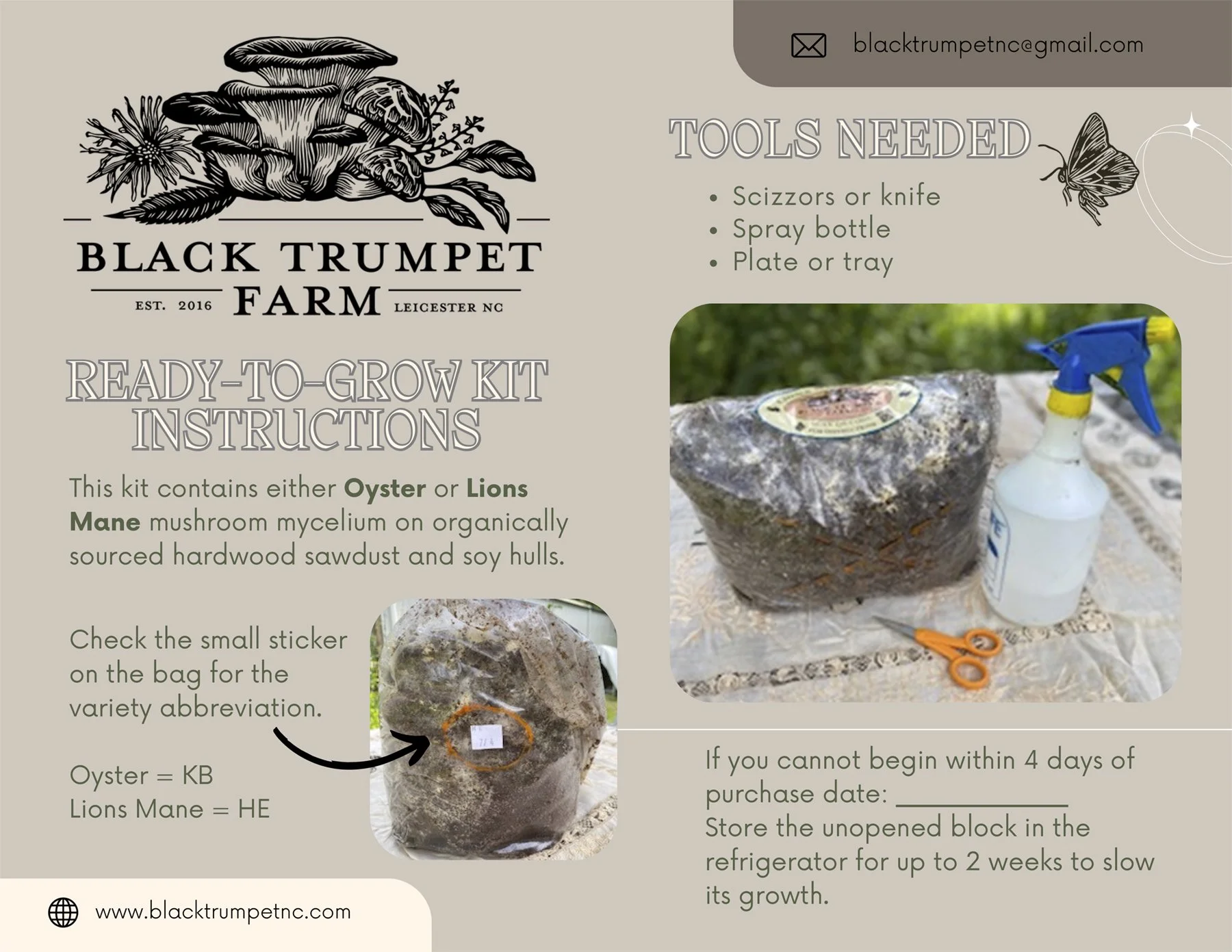
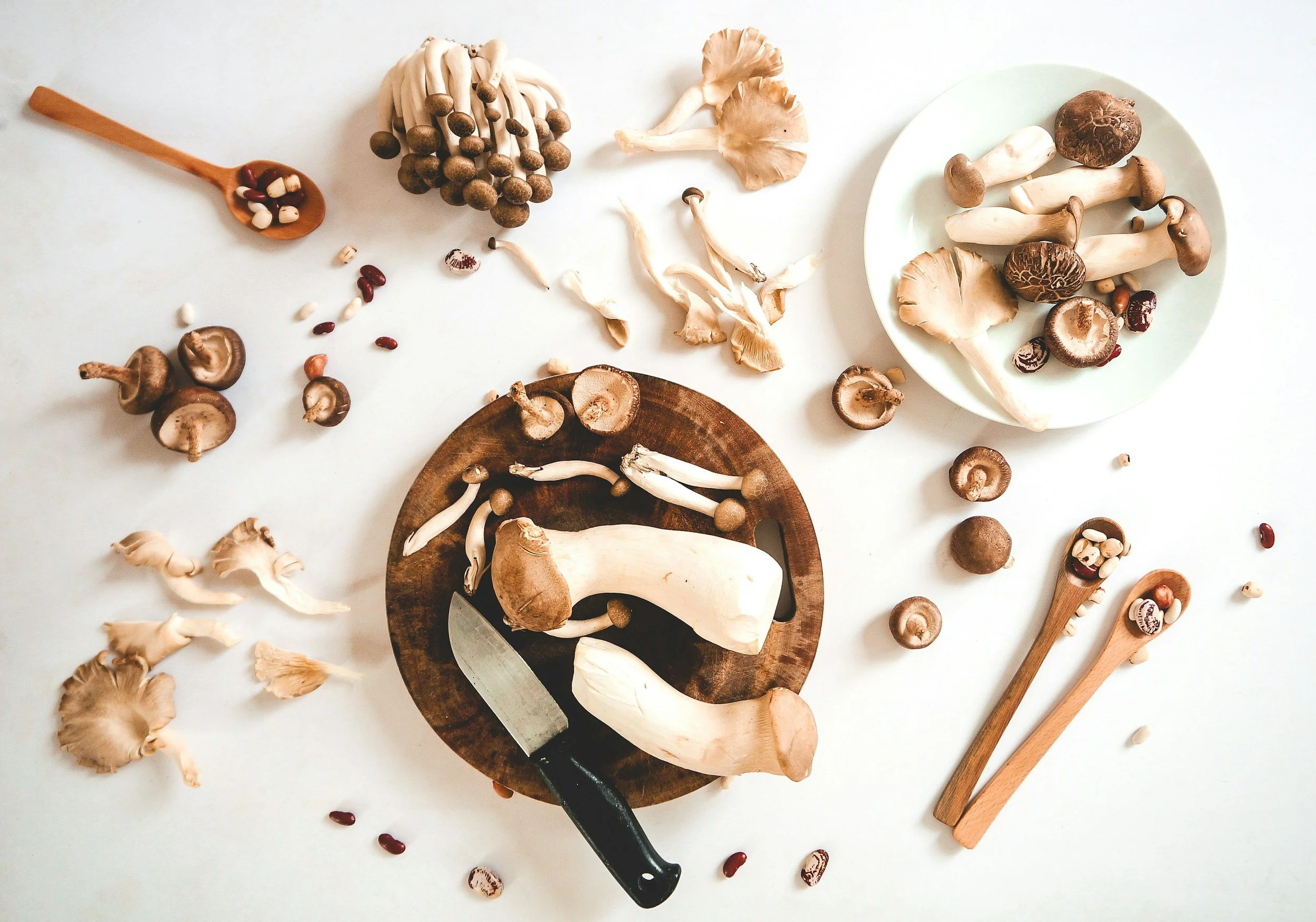
Our Mushroom Varieties
Our Gourmet and Medicinal mushrooms are certified USDA Organic by CCOF, Appalachian Grown, and Certified Naturally Grown.
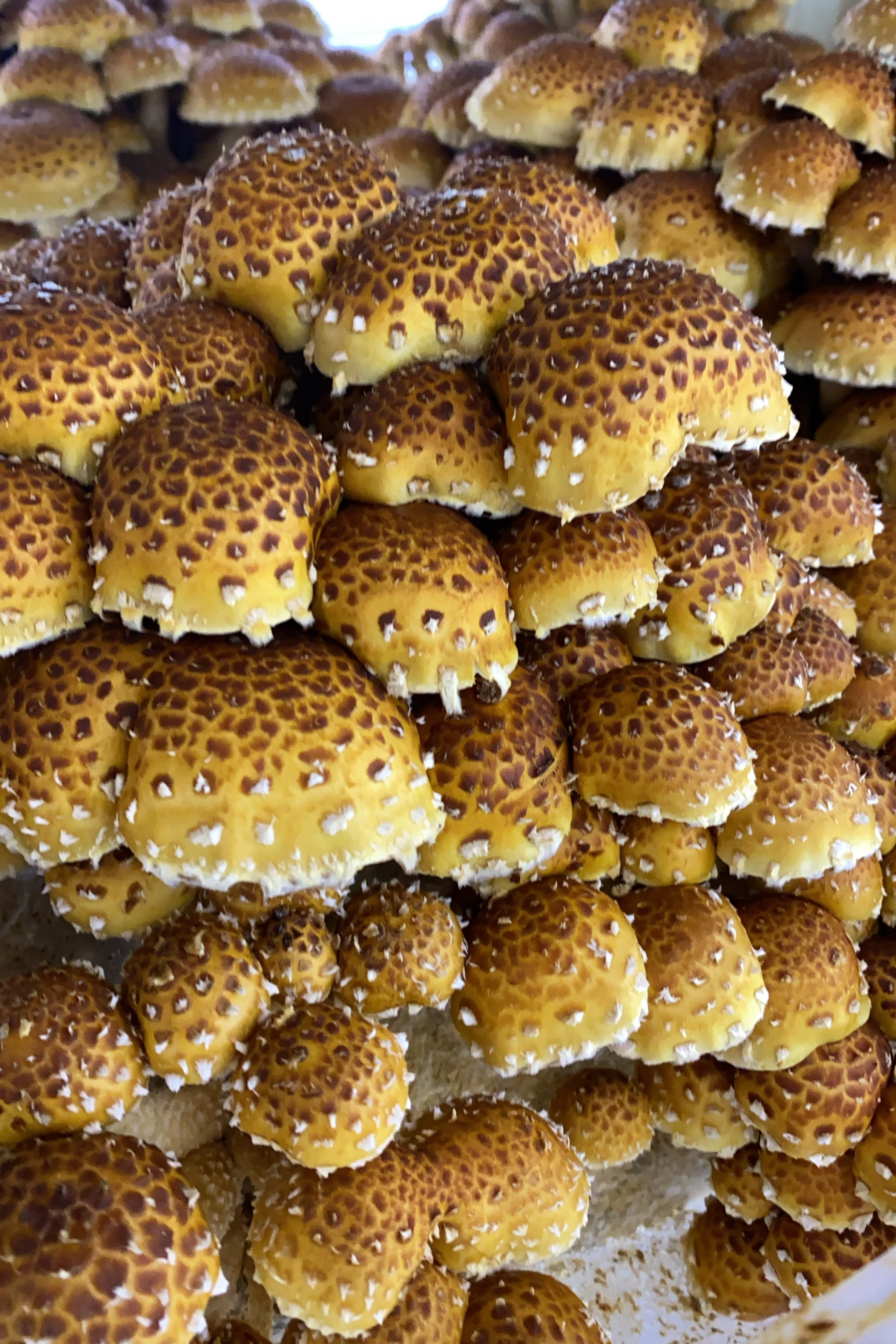
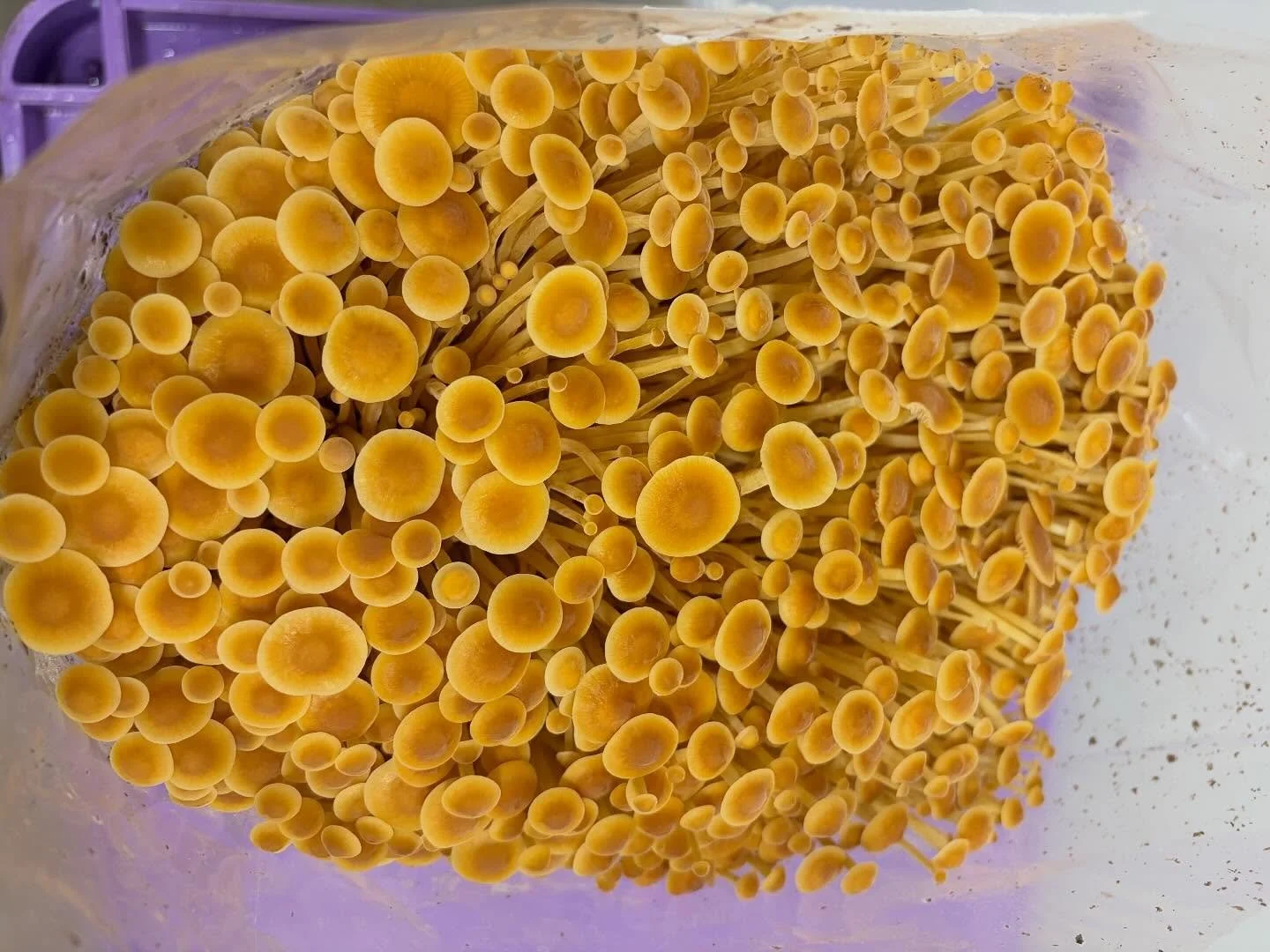
Chestnut
(Pholiota adiposa)
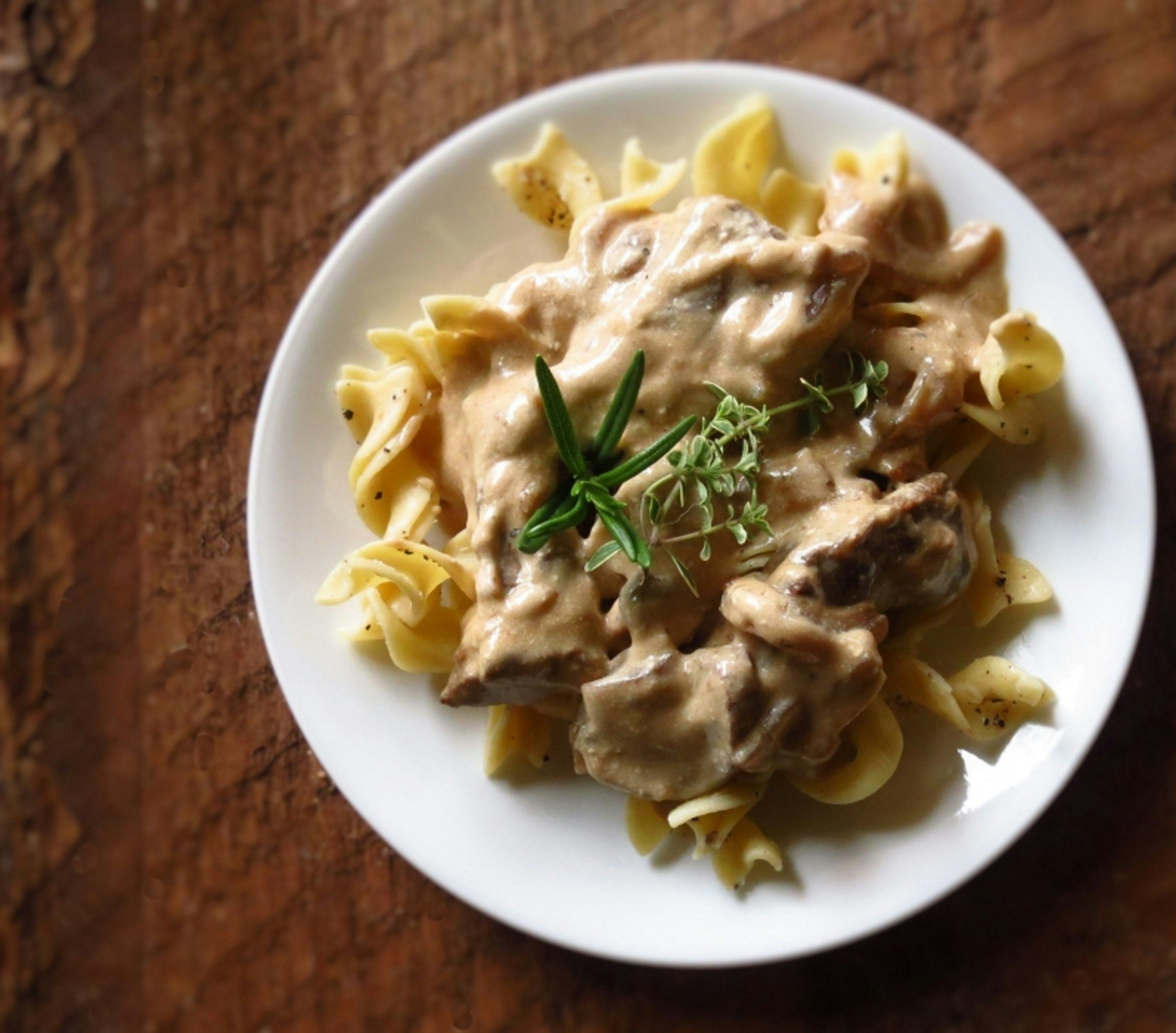
Chestnut mushrooms, also called cinnamon caps, boast an earthy, nutty flavor packed with umami. They have a firm, crisp texture that holds up well under heat. Chestnuts pair nicely with pasta, rice, and red meat dishes.
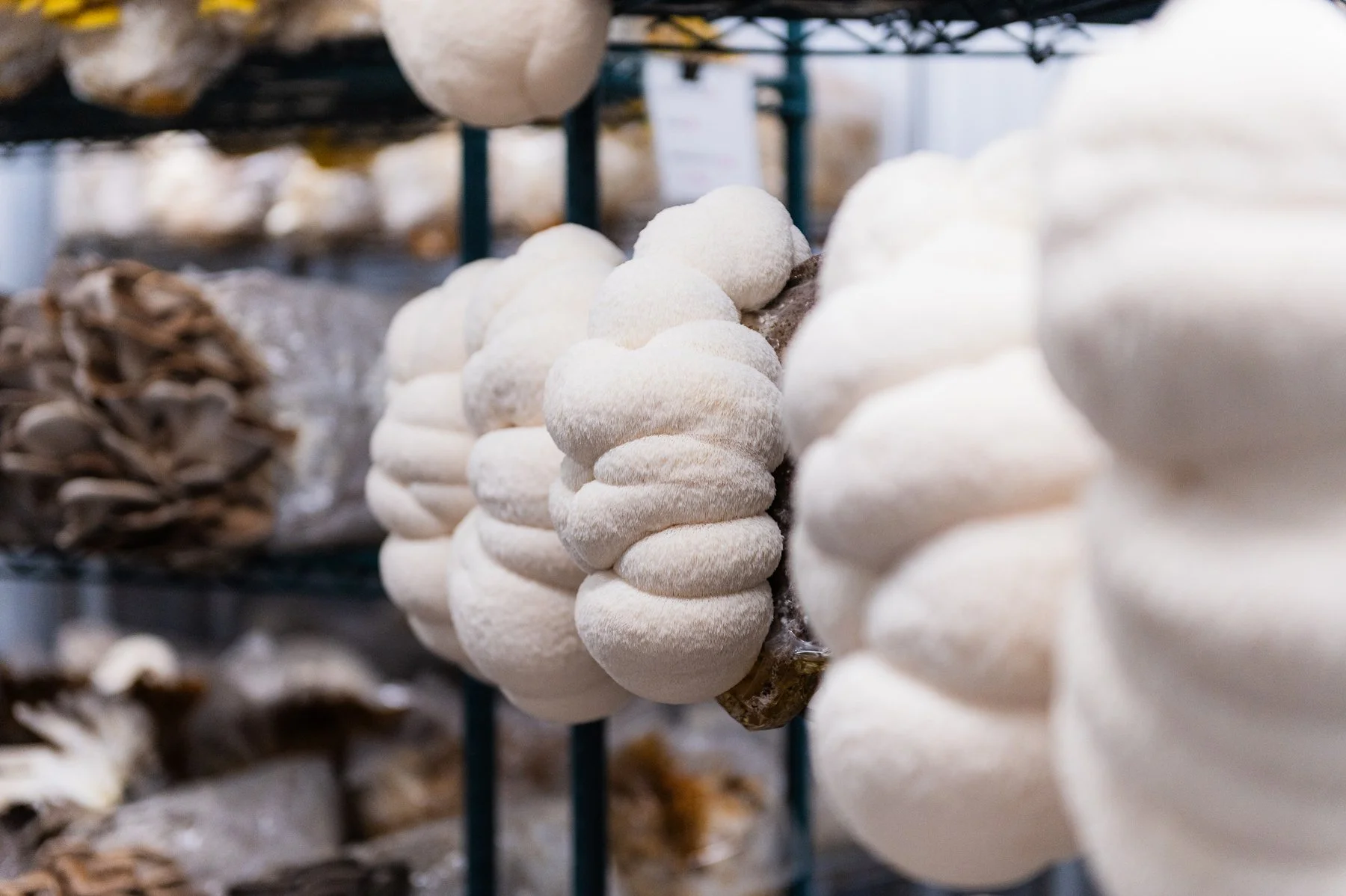
Lion’s Mane
(Hericium erinaceus)
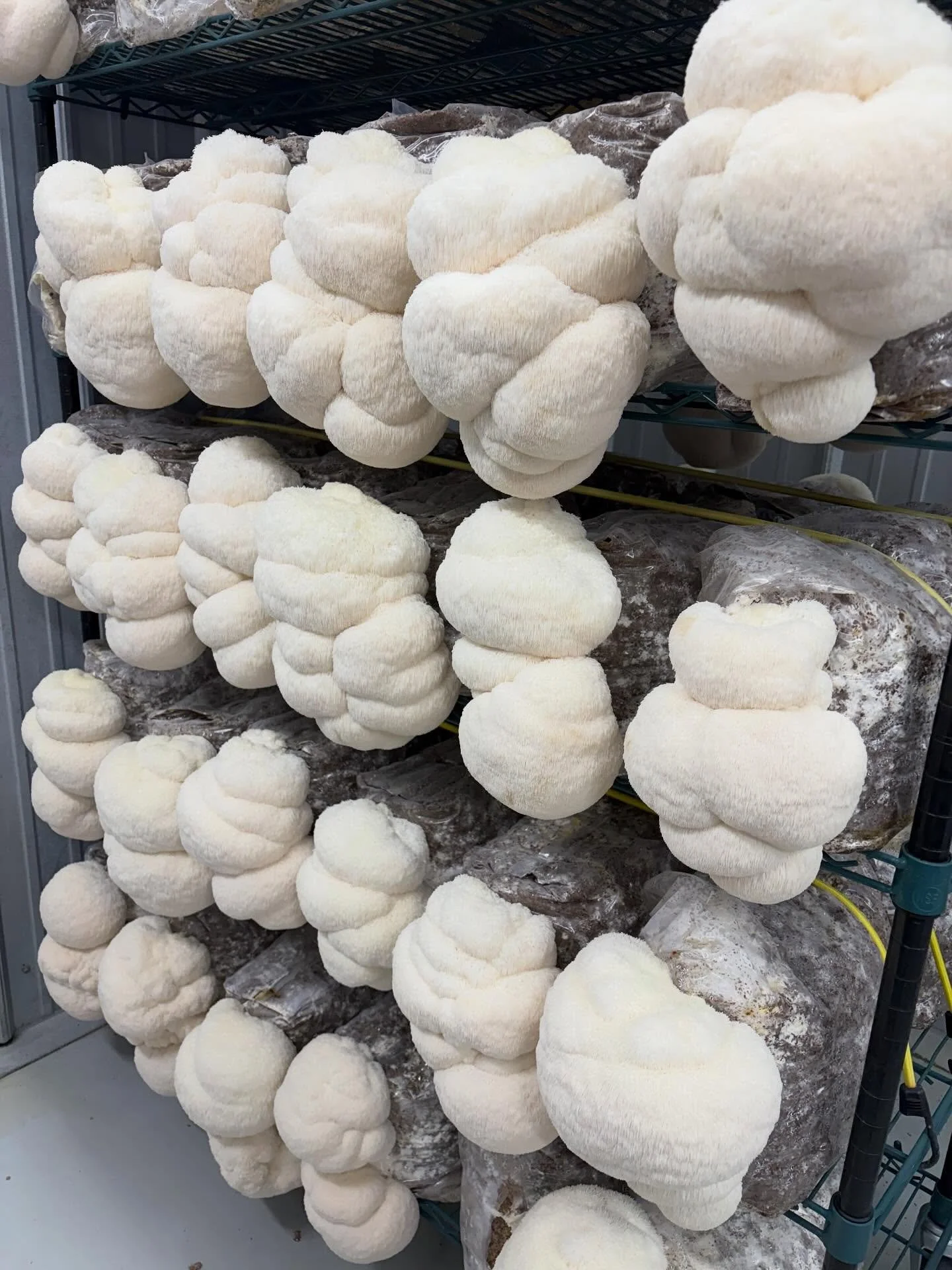
Lion’s Mane has a unique texture akin to crab or lobster. This mushroom has a savory and seafood-like flavor. Folks often use it to make faux crab cakes. It can be sautéed, roasted, or grilled.
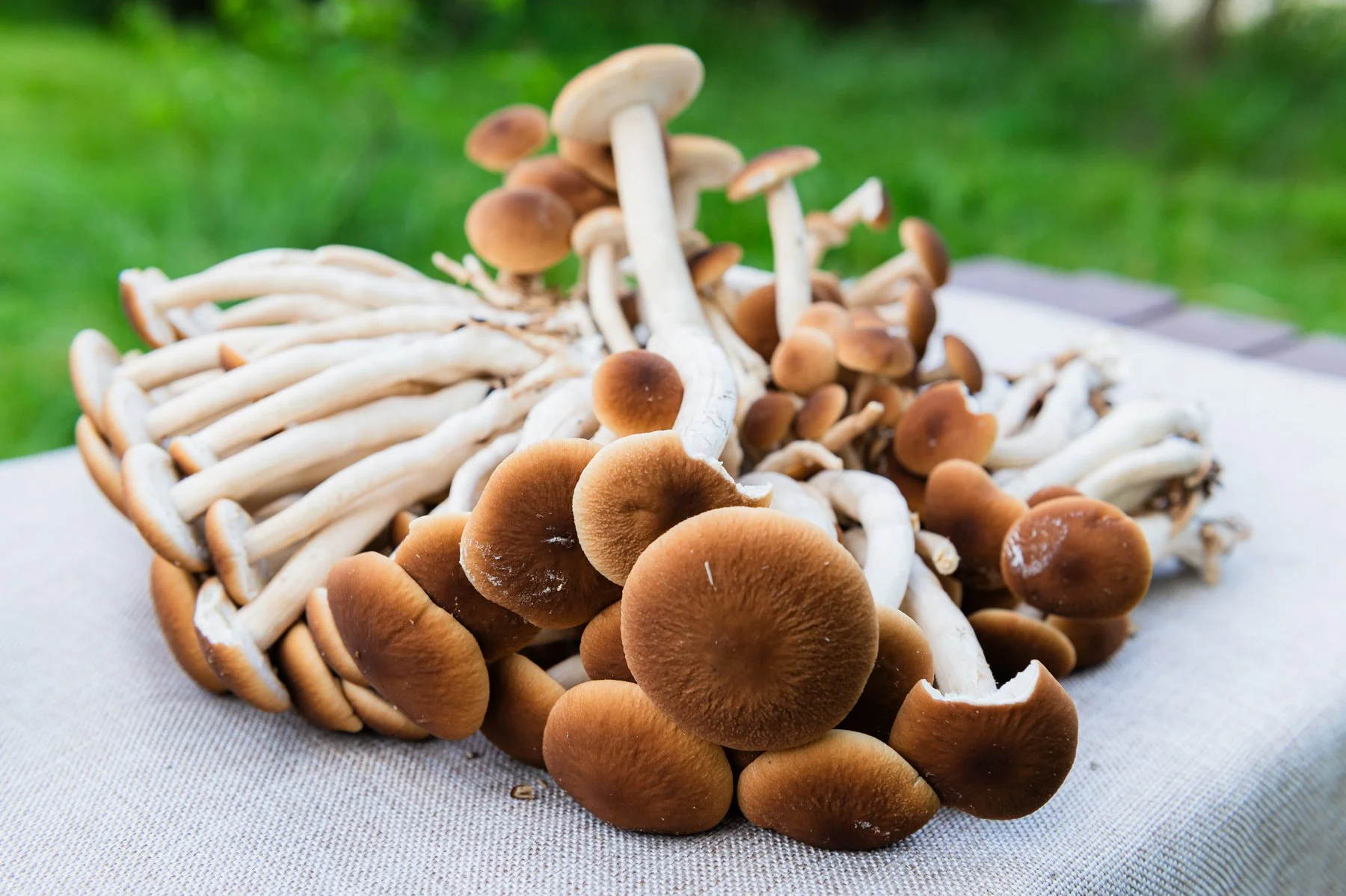
Pioppino
(Agrocybe aegerita)
Pioppino, also called Black Poplar, is known for its nutty, earthy flavor. It has a firm texture and tender edible stems. Pioppinos pair nicely with risottos and pasta dishes, as well as pork, chicken, and fish.

Pink Oyster
(Pleurotus djamour)
Pink oysters are known for their bacon or ham-like flavor. This aromatic mushroom has a chewy texture. It work wells as a meat substitute. Fry it up and create a faux pulled pork sandwich.
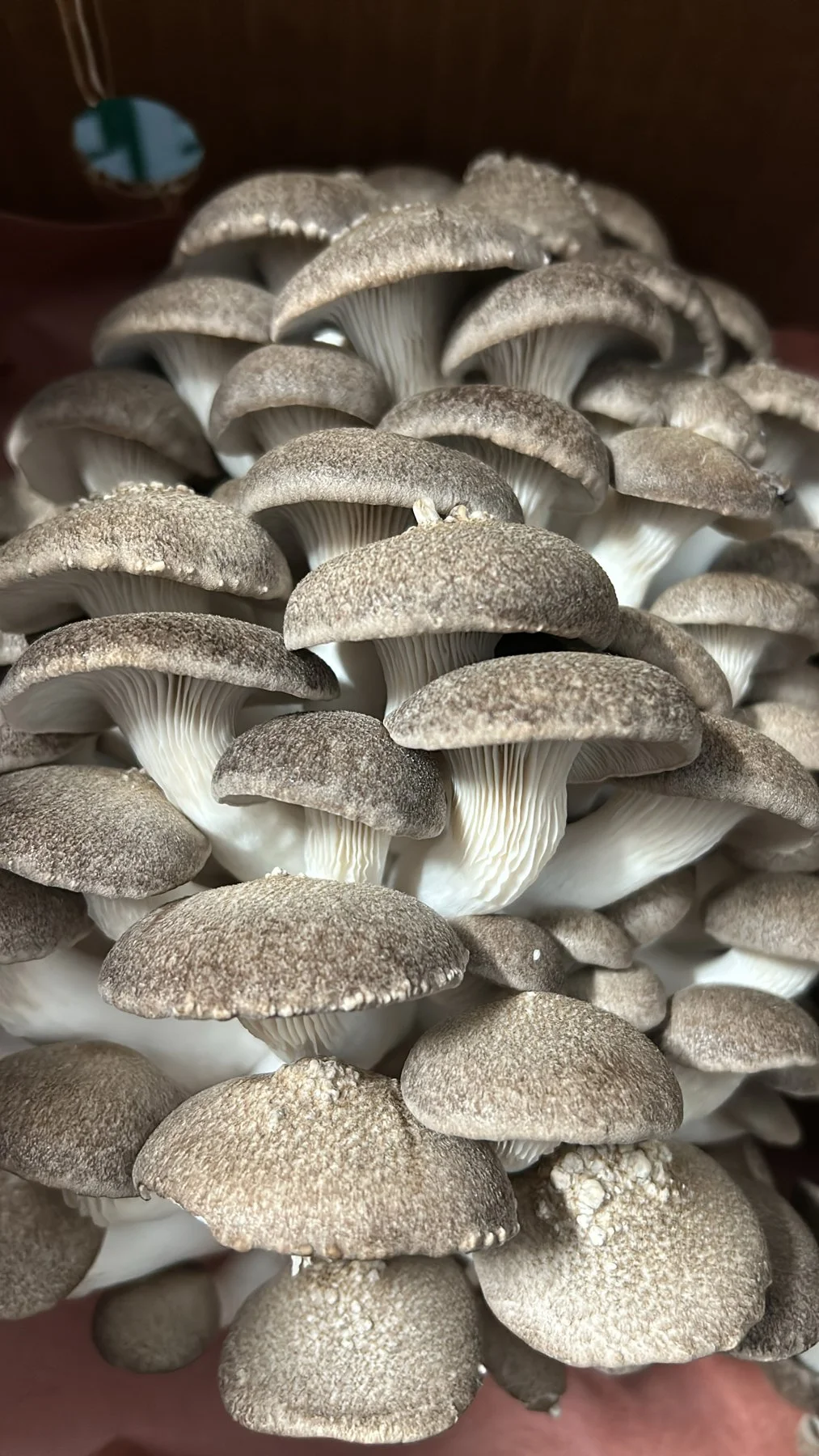
Black Pearl Oyster
(Pleurotus ostreatus - hybrid)
Black Pearls are actually a hybrid between the oyster and king trumpet mushrooms. Black Pearls are more dense and meaty than your typical oyster but they have a similar flavor. You can slice the large stems into rounds to make faux scallops.
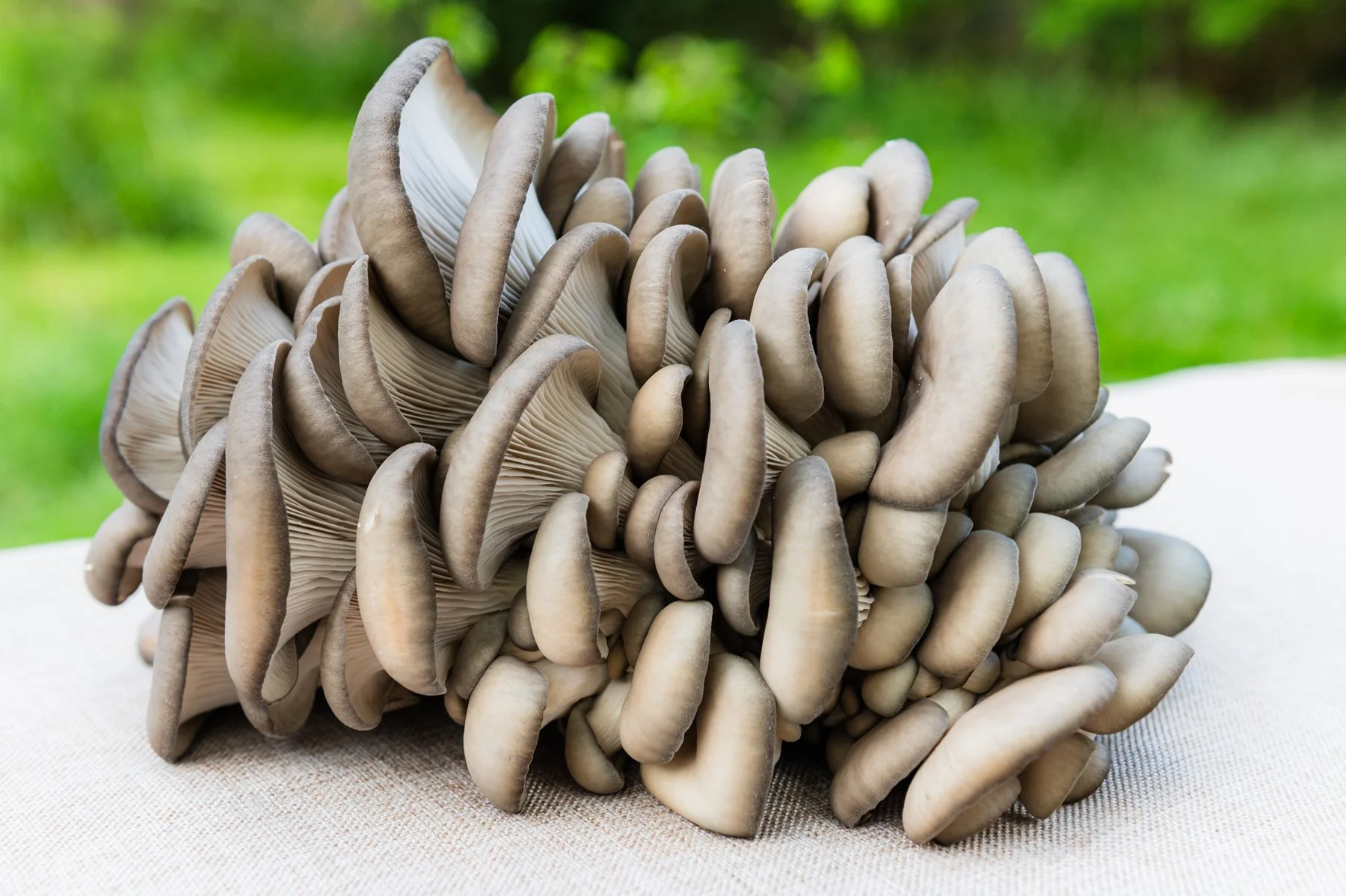
Grey Oyster
(Pleurotus ostreatus)
The grey oyster is a versatile mushroom with a mild umami flavor. They have a tender silky texture. Oysters are a great addition to pizza, pastas, or toast. Try slicing them thinly and allowing them to crisp up.
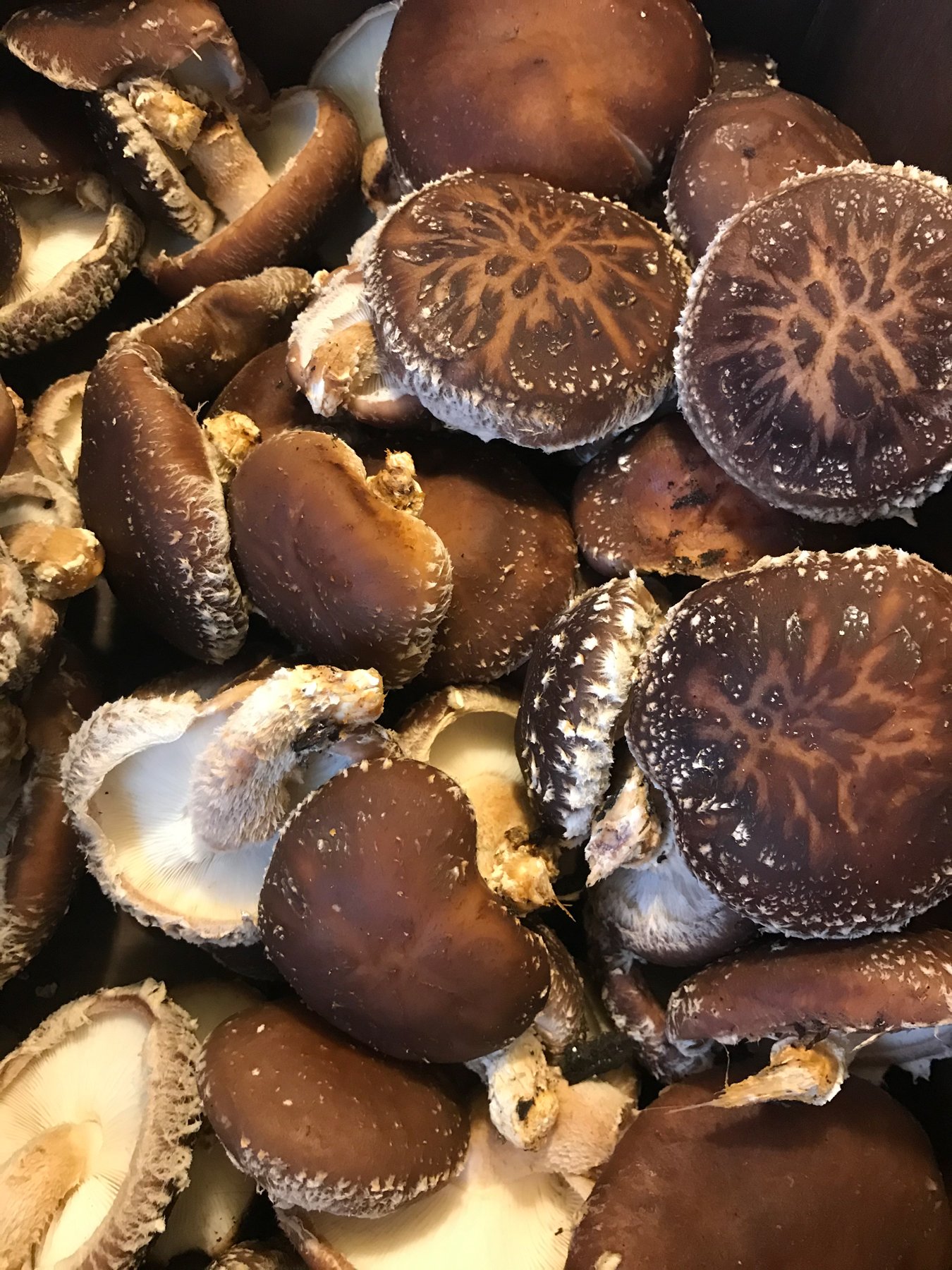
Shiitake
(Lentinus edodes) - NOT Certified Organic
Shiitake mushrooms are known for their silky texture and rich buttery flavor. Shiitake can also be slightly earthy and impart a moderate umami to your dish.

CHAGA
(Inonotus obliquus)
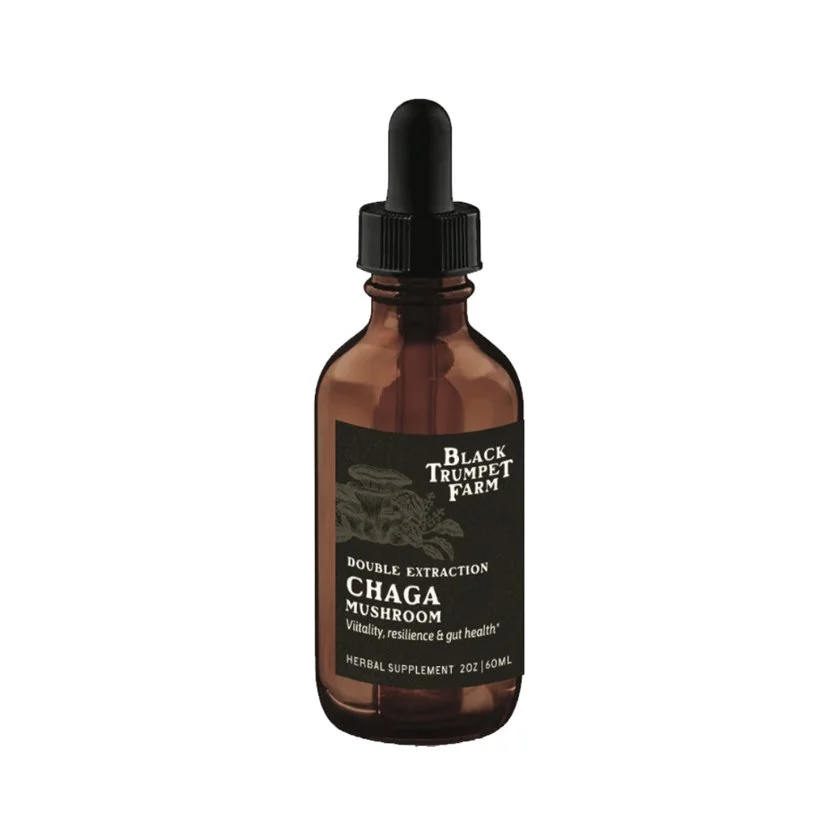
Chaga is a medicinal mushroom used in teas and tinctures. Chaga has a long history of use in Russian and Siberian cultures. It is used to reduce inflammation, boost immune response, lower blood pressure and blood sugar, and slow aging by counteracting oxidative stress.
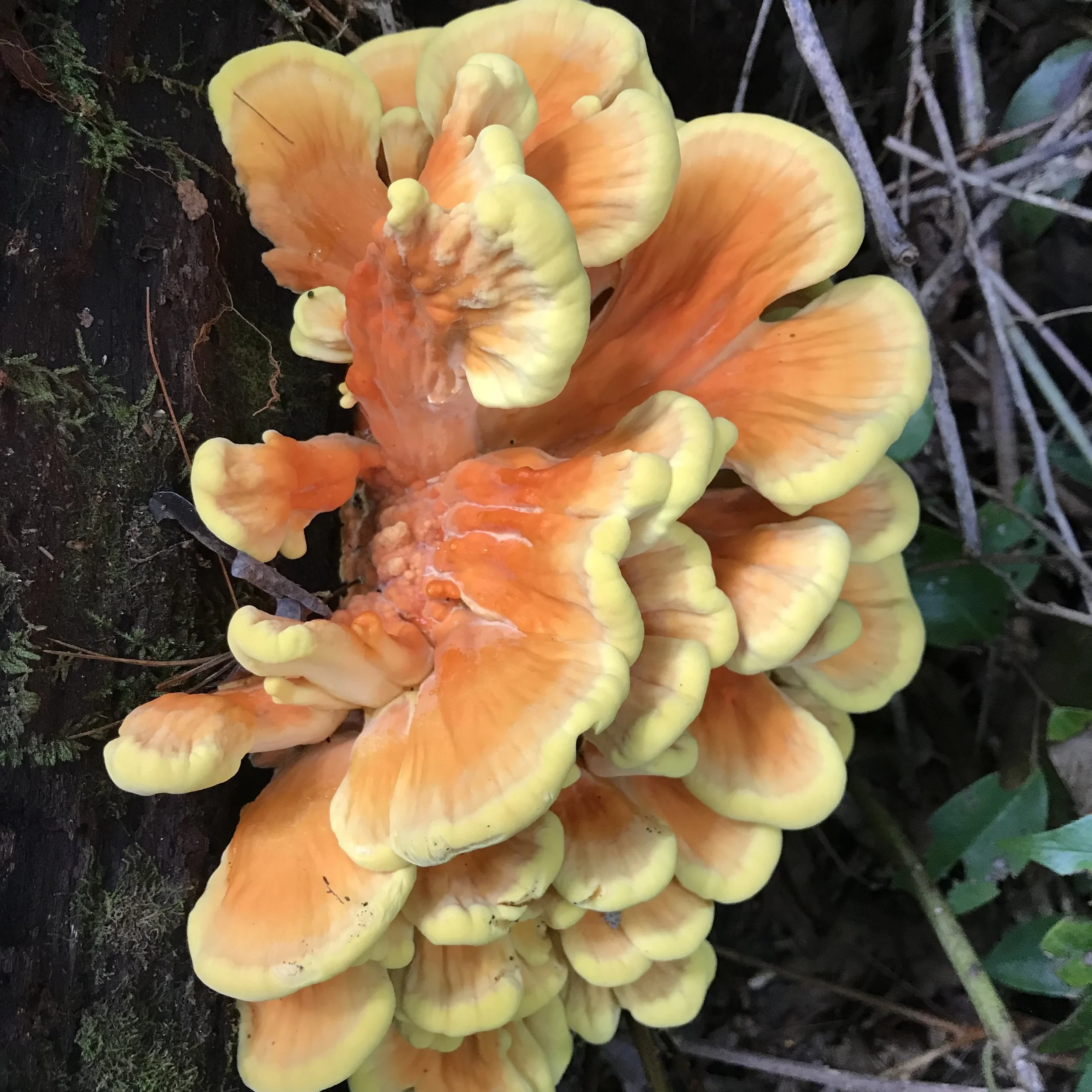
Foraged Species
Periodically available
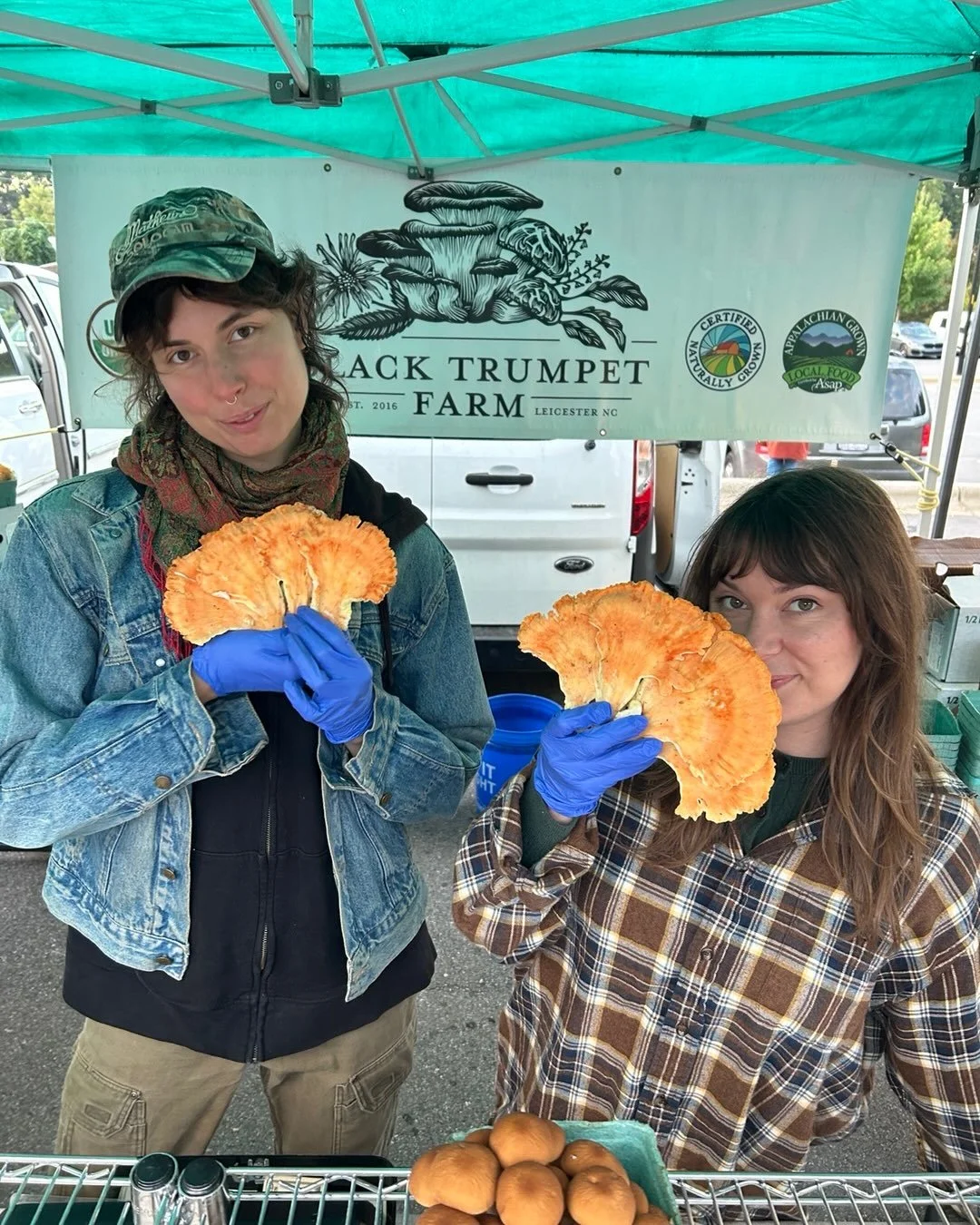
We offer a selection of seasonally foraged species including Chicken-of-the-Woods, Hen-of-the-Woods, and Chanterelles.
Our Story

Hi! We’re Jay and Gwen and we’ve have been living in the Asheville area for 20 years. Our background is steeped in regenerative agriculture and agro-ecology.
Gwen began her farming career in 2006 with an apprenticeship at the Aprovecho Institute in Cottage Grove, Oregon. She then moved to Asheville to be closer to family. She has an M.S. in Horticulture, a B.S. in Biology with a focus on field botany and plant genetics, and certificates in woodworking and permaculture design. She is an Organic Growers School Farm Beginnings and Journeyperson graduate.
Jay grew up in Marion, NC on his family’s homestead. He has a bachelor’s in Photography from UNCA and an associate degree in Civil Engineering. He loves to design earthworks, water catchment systems, and efficient mushroom production spaces.
We both volunteer as mushroom identifiers at the Asheville Mushroom Club. Come out to a foray!




Our mission is to promote community food security by providing delicious, affordable, and nutrient-dense mushrooms.
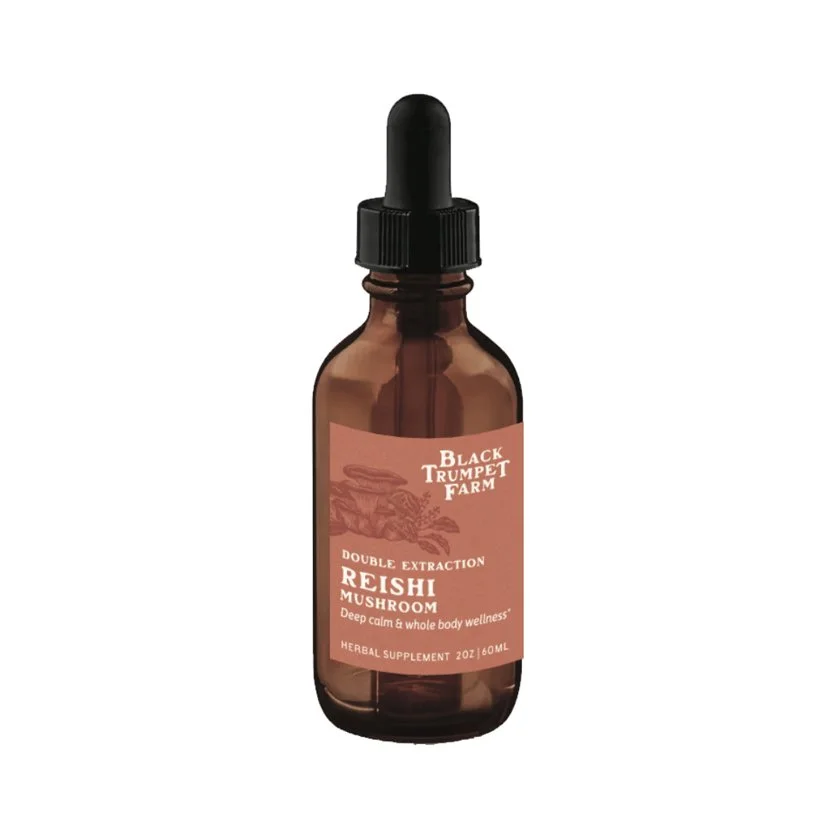
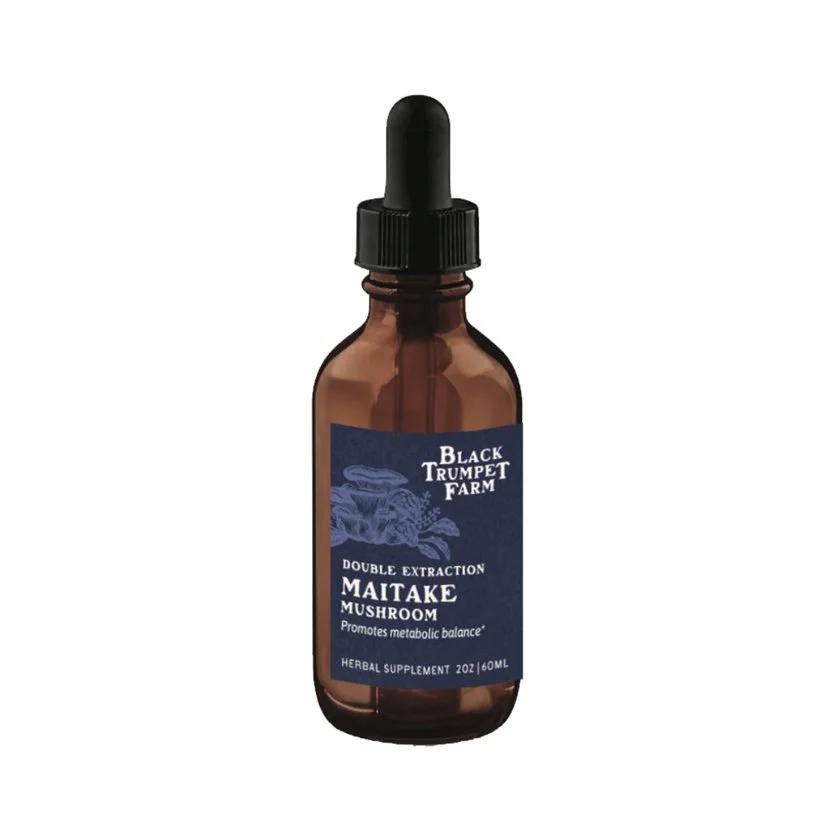
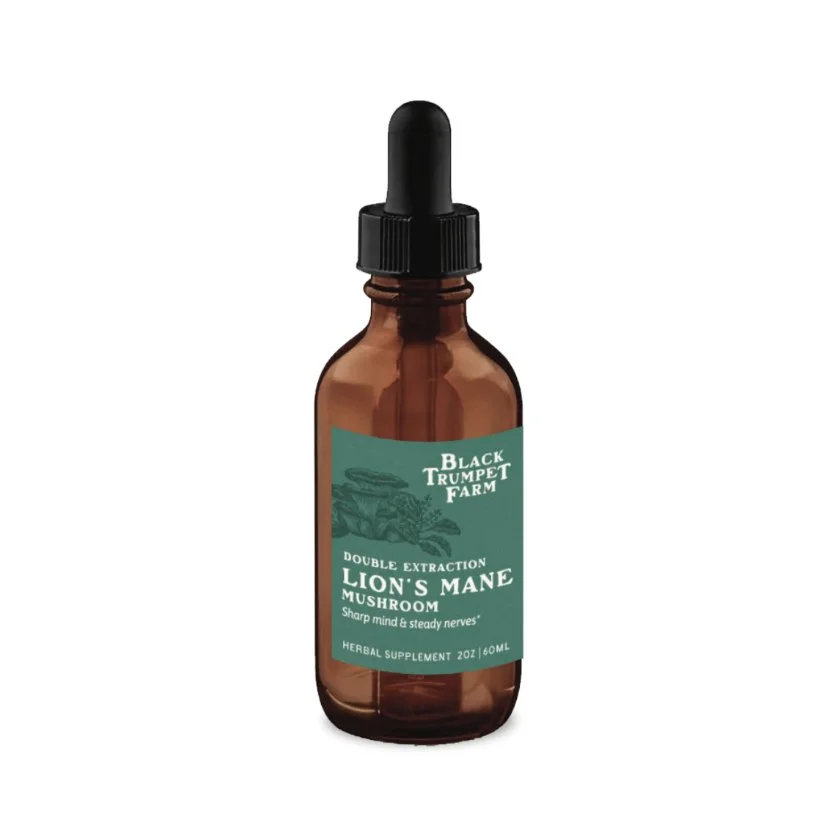
Shop Mushroom Tinctures
Contact Us
For pricing and seasonal product availability, reach out to us at blacktrumpetnc@gmail.com
Browse our latest blog posts
Check out our Instagram for the latest happenings at Black Trumpet

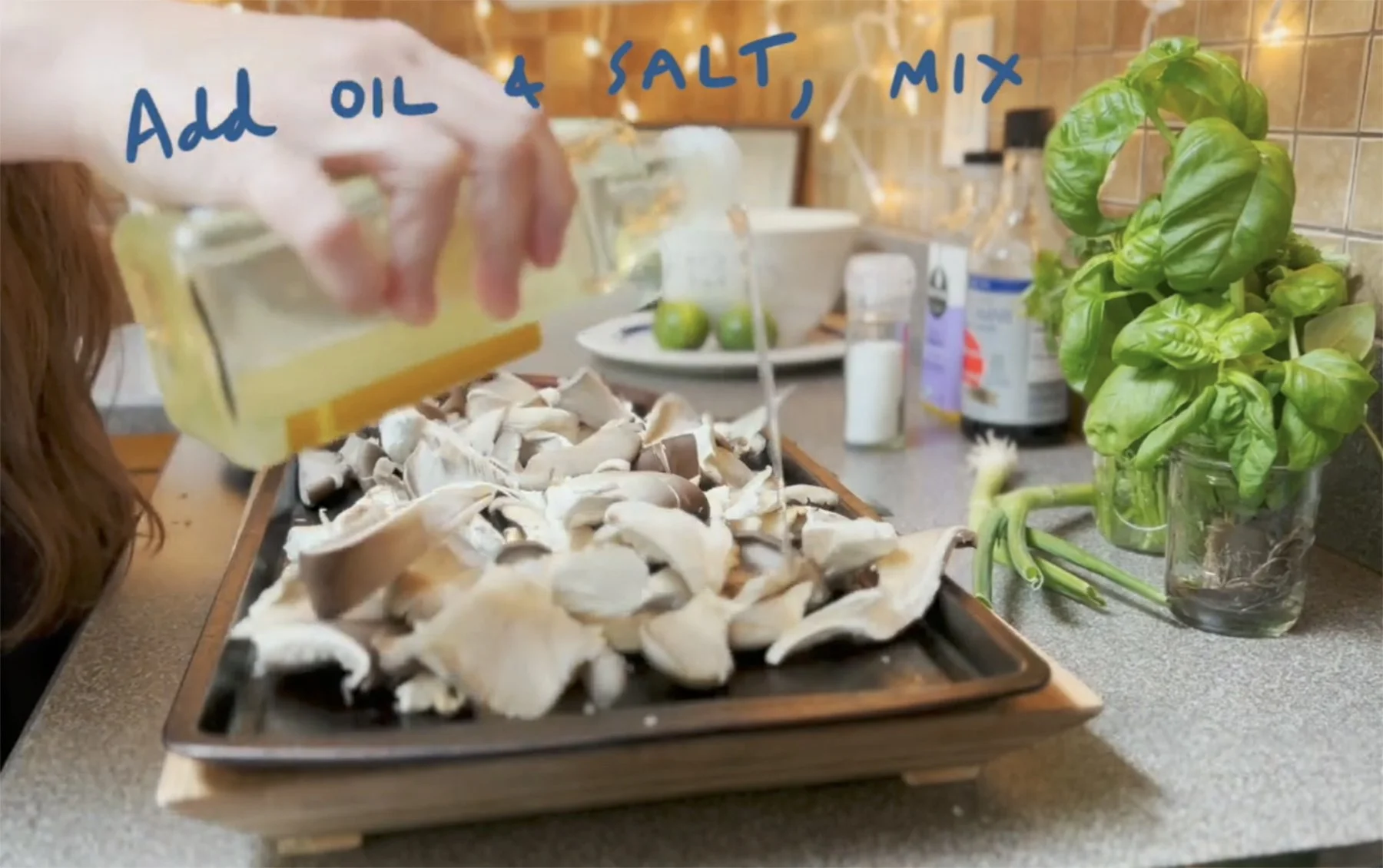
Learn how to store, preserve, and clean mushrooms